Buying your business premises, explained
The money side of buying and owning the premises your business trades from, written from the lender's side of the table. We are a broker, not an accountant or lawyer, so always confirm your own position with your advisers.
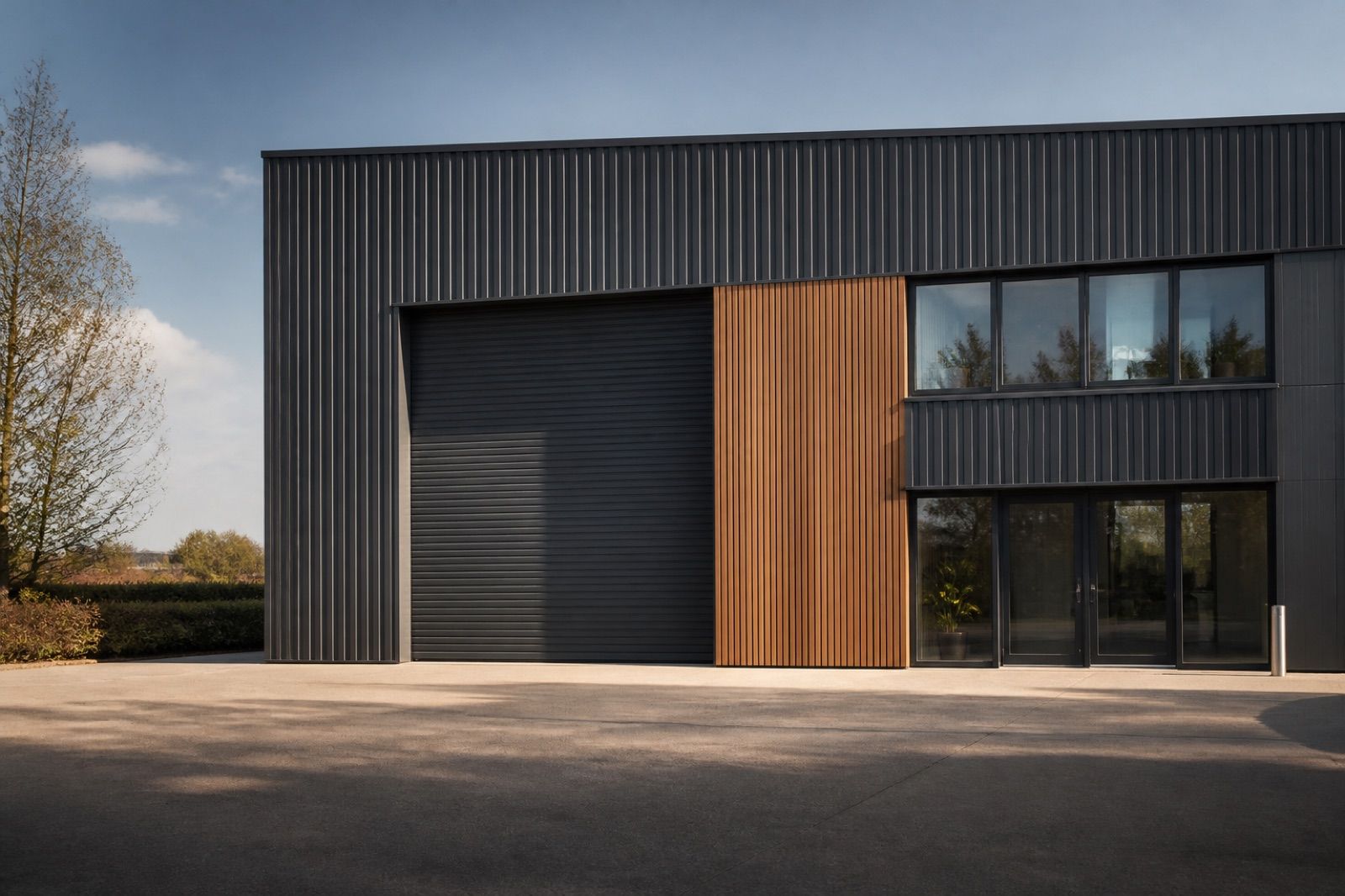
Buying premises
How a trading company buys the premises it works from, in the order things actually happen, from the first conversation about budget to the day the keys change hands.

Deposits and costs
Most owner-occupiers put down 25 to 30% of the price. Here is how that is set, what it looks like in pounds, and every other cost you need to fund on top.

Lender affordability
Lenders size a commercial mortgage on what your accounts can support. Here is how they read the numbers, the adjustments they make and what puts them off.
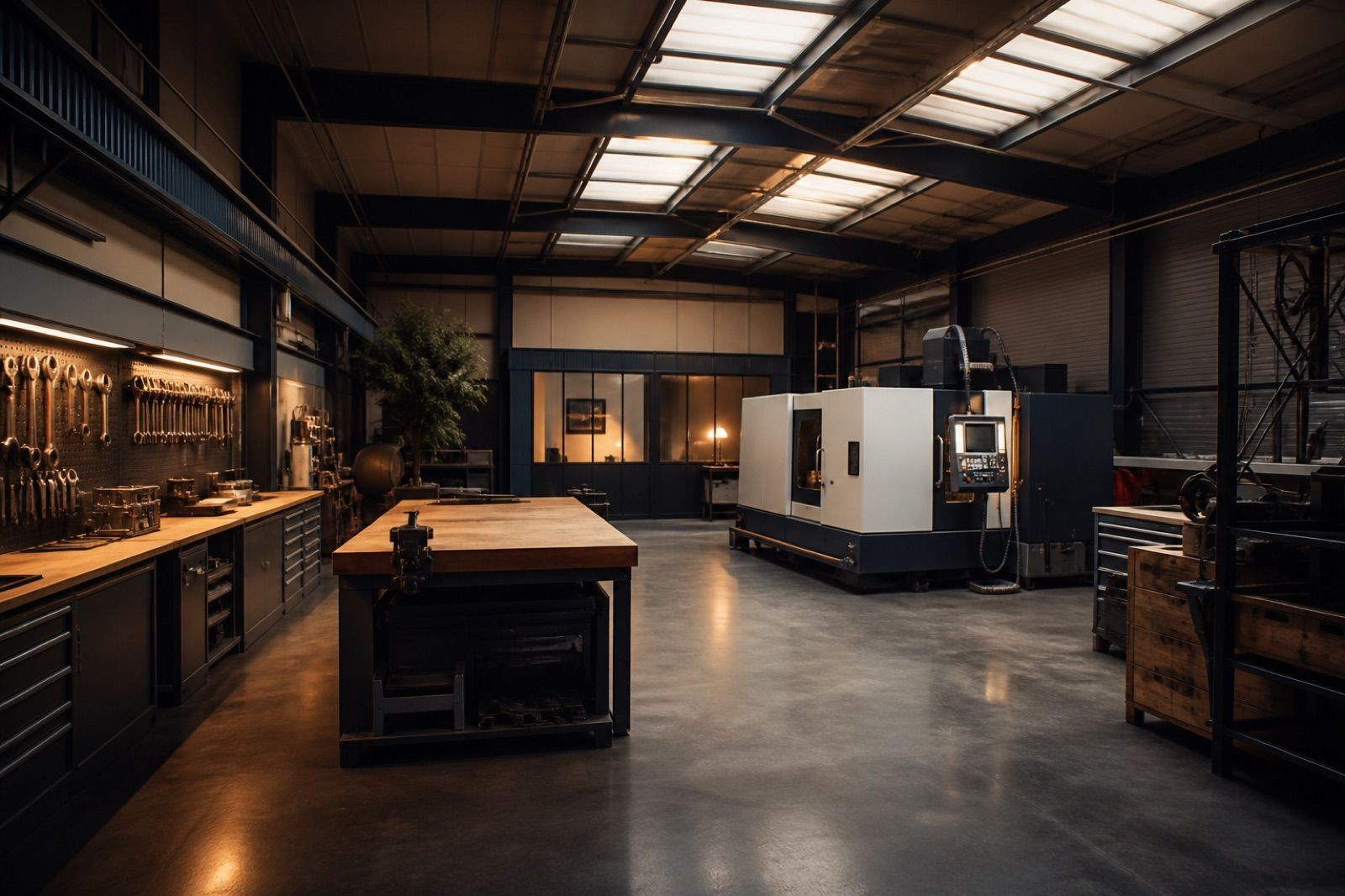
Moving premises
A move costs more than the new building. Overlapping rent, dilapidations and fit-out all land at once. Here is how to plan the money and the timing.
Personal guarantees
Why lenders ask directors to stand behind company borrowing, what you are actually signing, and how to limit the risk to your personal assets.

Rent or buy
Renting keeps you flexible and light on capital. Buying turns rent into repayments on an asset you own. Here is how to tell which suits your business now.
Commercial stamp duty
Non-residential SDLT, LBTT and LTT rates side by side, with the arithmetic on a £500,000 freehold unit in England, Northern Ireland, Scotland and Wales.
VAT on premises
When a seller can add 20% to the price of your premises, how a transfer of a going concern changes that, and how to fund VAT that a lender will not.

Tell us about the premises
Send us the property, the price and a picture of how the business trades. We will come back with a view on what the market is likely to offer, usually within one working day. There is no charge to enquire.
 Matt Lenzie reads every enquiry himself.