
Specialist business mortgage broker for companies across the United Kingdom
You have built a business that pays a landlord every month. We arrange the commercial mortgage that lets it own the building instead: the workshop, office, shop, surgery or unit you trade from, anywhere in England, Scotland, Wales and Northern Ireland.
- £400m+property finance arranged
- 25 yearsin financial services, raising debt and equity
- 4 nationsEngland, Scotland, Wales and Northern Ireland
- 361local market pages built on ONS and VOA data
 Matt Lenzie handles every case personally
If your business trades from it, it can own it




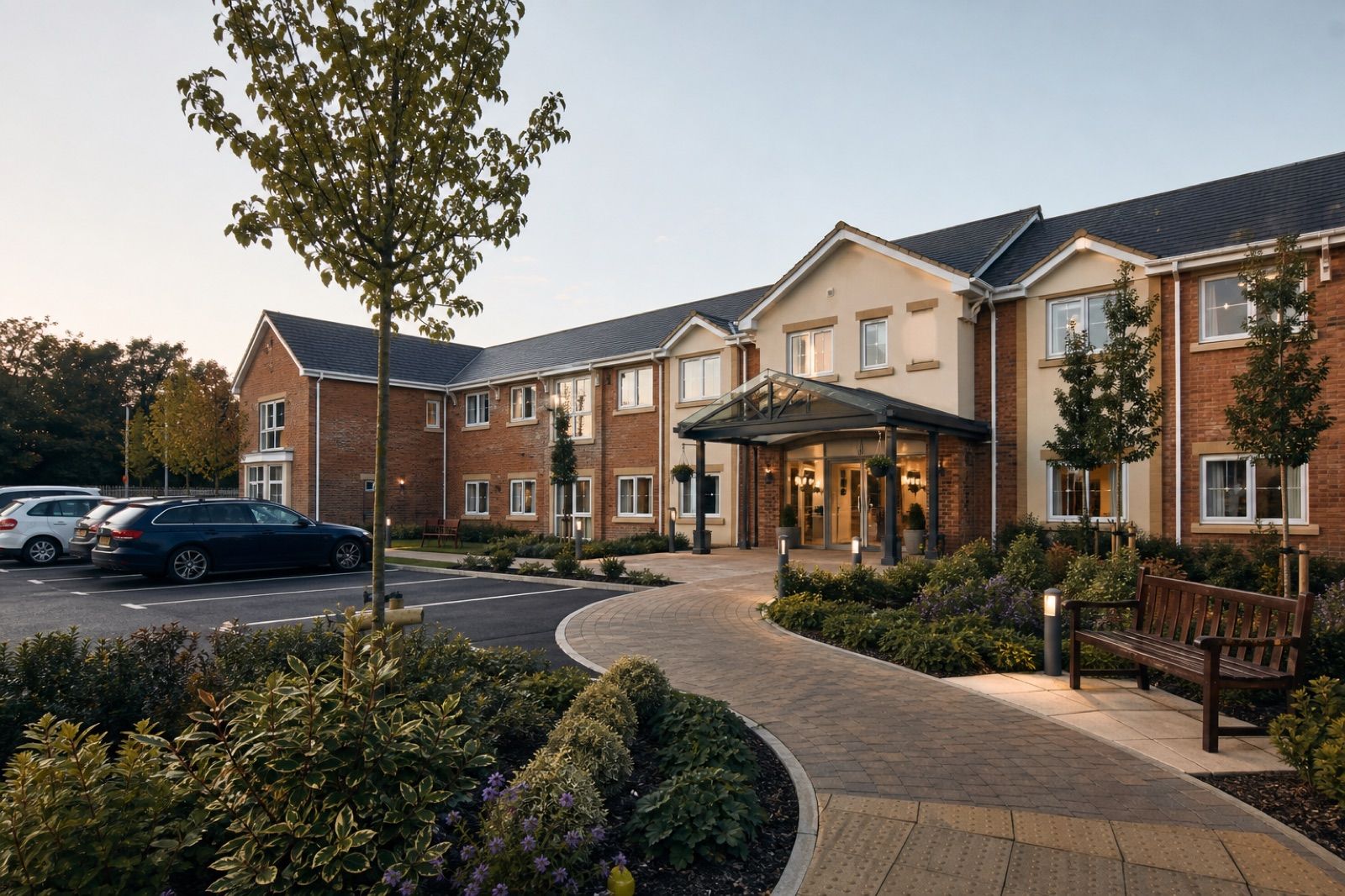






Commercial mortgages for the premises you trade from
Buying your first freehold, refinancing the one you own, or moving fast on the right unit. Each kind of premises finance has its own lenders and its own rules.
Rent leaves the business every month. A mortgage builds equity.
A capital and interest mortgage costs a similar amount to rent each year, but part of every payment pays down the loan. After the term, the business owns the building outright, with no more lease renewals or rent reviews.
Business mortgage rates and what lenders advance
Indicative bands, subject to status, accounts and valuation. Plan for a deposit of 20 to 30% plus stamp duty, valuation, legal fees and an arrangement fee of typically 1 to 2%. See rates and costs and the deposit and costs guide. The chart is an illustrative example on the assumptions stated beneath it.

A business mortgage is won or lost on how the accounts are presented. I've spent 25 years in financial services, raising debt and equity, and every case still comes through me: the accounts, the credit conversation, the valuation and the legals. You deal with the person arranging your mortgage, not a call centre.
- 25 yearsin financial services, raising debt and equity
- £400m+property finance arranged
- 1 personon your case from first call to completion
What a business mortgage broker does for you
A business mortgage is a long-term loan, secured on the premises a trading company occupies, that the company repays out of its profits. Applying to your own bank gives you one answer. A broker gives you a market: we present your accounts the way a credit team reads them and take the case to the high-street, challenger and specialist lenders whose criteria fit.
Read the accounts
We read your last two to three years of accounts and current trading, and tell you plainly what is fundable and at what loan to value.
Choose the lenders
We shortlist the banks and specialist lenders whose criteria fit your sector, the premises and the size of the loan.
Negotiate the terms
We present the case, compare the offers that come back on rate, fees and covenants, and negotiate the terms for you.
Through to completion
We keep the valuation, the solicitors and the lender's conditions moving until the funds are drawn.
- Profit and EBITDAEarnings before interest, tax, depreciation and amortisation, with one-off costs, excess directors' pay and the rent you stop paying added back.
- Debt service coverWhether trading profit covers the annual mortgage payments with room to spare. Stronger cover, bigger loan.
- Track recordTwo to three years of filed accounts, management figures and bank statements. Newer businesses can borrow, with fewer lenders.
- The premisesAn independent RICS valuation of value and suitability. Specialist buildings need a valuer who knows the trade.
Owner-occupier, not investment. We arrange finance for a company buying the building it trades from, underwritten on its accounts and repaid from trading profit. Landlord, buy-to-let and HMO lending is covered elsewhere in our finance network. We are a finance arranger and introducer, not a lender, and we act for the borrower.
The process in detail · How lenders read your accountsBusiness mortgages in England, Scotland, Wales and Northern Ireland
The lending is broadly the same across the UK; the tax and the legal process are not. We plan each purchase around the rules where the premises are, with local market pages built on ONS business counts and VOA rating data.




Business mortgage broker: common questions
What does a business mortgage broker do?
A business mortgage broker takes a trading company's case to the lenders whose criteria fit it, presents the accounts and the premises in the way a credit team reads them, compares the terms that come back and manages the deal to completion. We are a broker, not a lender: we do not lend our own money, and we act for the borrower, not for a single bank.
How much deposit do I need for a business mortgage?
For an owner-occupier with a solid trading record, lenders typically advance 70 to 75% of the value, and up to 80% for strong cases, so plan for a deposit of around 20 to 30% of the price. On top of that budget for stamp duty (or LBTT in Scotland and LTT in Wales), valuation, legal fees and the lender's arrangement fee. All figures are indicative, subject to status, accounts and valuation.
Is it hard to get a business mortgage?
It is harder than a residential mortgage because the lender is underwriting a business, not a salary. With two to three years of profitable accounts, profits that comfortably cover the payments and a sensible deposit, most trading companies can borrow. Newer businesses, thin margins or a recent loss narrow the field, which is where knowing which lenders will look at the case matters most.
Can you get a 100% business mortgage?
Rarely on the property alone. Lenders want the borrower to have its own money in the deal, so 100% loan to value is not normally available on a commercial mortgage. Some businesses close the gap with additional security, such as a charge over another property, or by buying through a pension. We will tell you early whether the deposit you have is enough.
What are business mortgage rates at the moment?
Indicatively, owner-occupier business mortgage rates sit around 6.0 to 7.5% a year, specialist trading businesses such as pubs and hotels around 7.0 to 9.0%, and bridging around 0.70 to 0.95% a month. The rate you are offered depends on your accounts, the loan to value and the premises, so treat these as bands, not a quote.
Are business mortgages regulated by the FCA?
Commercial lending to a limited company is unregulated and falls outside the FCA's regulated mortgage perimeter. Where a deal would be regulated, for example lending to a sole trader or individual, or a property where the borrower or a close family member will live in part of it, we refer it to an appropriately authorised firm.

Ready to own the premises you trade from?
Send us the property, the price and a picture of how the business trades. We will come back with a view on what the market is likely to offer, usually within one working day. There is no charge to enquire.
Matt Lenzie reads every enquiry himself.